
As businesses continue to prioritize sustainability, bamboo packaging has emerged as one of the fastest-growing alternatives to traditional plastic and non-renewable packaging materials. From food manufacturers and cosmetic brands to e-commerce retailers and luxury product companies, organizations are increasingly investing in sustainable bamboo packaging to reduce environmental impact while meeting customer expectations.
In 2026, bamboo is no longer viewed as just an eco-friendly option it is becoming a strategic business choice. Companies are looking for renewable packaging materials that support their environmental goals, improve brand reputation, and comply with changing regulations.
This guide explores the latest bamboo packaging trends in 2026, why businesses are adopting this material, and how to choose the right bamboo packaging supplier for your needs.
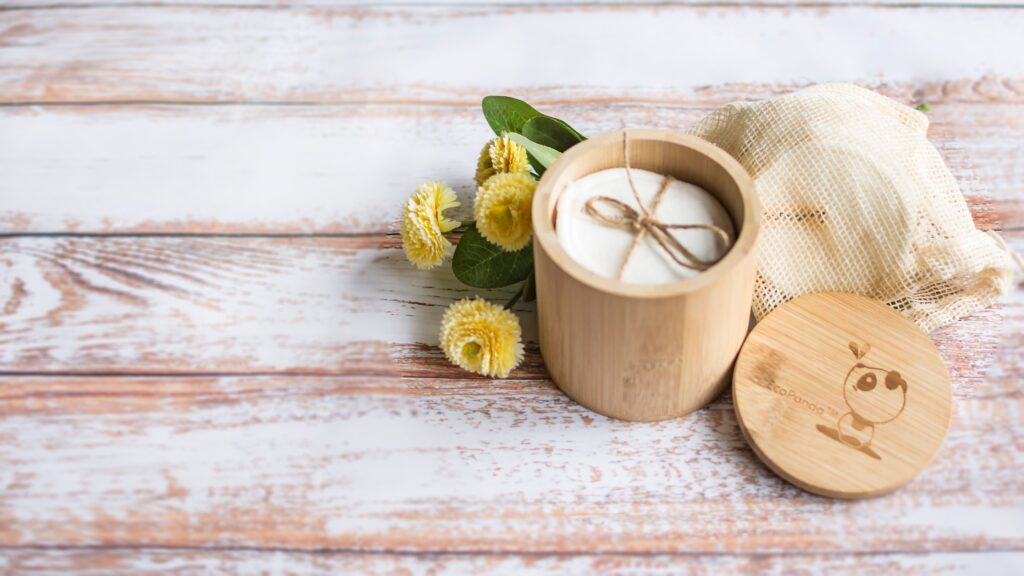
What Is Bamboo Packaging?
Bamboo packaging refers to packaging products made from bamboo or bamboo fibers. Because bamboo is one of the world’s fastest-growing renewable resources, it offers a sustainable alternative to conventional packaging materials.
Unlike petroleum-based plastics, biodegradable bamboo packaging naturally breaks down under suitable conditions, helping businesses reduce waste and lower their environmental footprint.
Today, manufacturers produce a wide range of bamboo packaging products, including:
- Bamboo food containers
- Bamboo trays
- Bamboo cutlery packaging
- Bamboo gift packaging
- Bamboo shipping packaging
- Bamboo protective packaging
- Cosmetic bamboo packaging
- Luxury bamboo packaging
- Takeaway bamboo packaging
Many companies also choose custom bamboo packaging to strengthen their branding while meeting specific product requirements.
Why Bamboo Packaging Is Becoming Popular
Businesses are shifting toward eco-friendly bamboo packaging for several reasons. Bamboo is increasingly recognized as a sustainable alternative to plastic because it is a fast-growing, renewable, and biodegradable material with applications ranging from food packaging to industrial packaging. [3]
1. Renewable and Fast-Growing Material
Bamboo reaches maturity much faster than most trees, making it one of the most sustainable renewable materials available. Responsible harvesting allows continuous production without extensive replanting, making it an attractive option for companies focused on sustainable sourcing.
2. Lower Environmental Impact
Many organizations are working to reduce carbon emissions and improve their environmental performance. Bamboo requires fewer chemical inputs and can contribute to carbon footprint reduction compared with many traditional materials.
3. Consumer Demand
Today’s consumers increasingly prefer products packaged in environmentally friendly packaging. Brands using green packaging solutions often improve customer trust and strengthen their sustainability messaging.
4. Regulatory Changes
Governments around the world continue introducing policies that encourage recyclable and compostable materials through initiatives such as Extended Producer Responsibility (EPR). Businesses are responding by investing in plastic-free packaging and sustainable alternatives.
Top Bamboo Packaging Trends Businesses Should Watch in 2026
1. Increased Demand for Sustainable Bamboo Packaging
More companies are replacing plastic with sustainable bamboo packaging across industries. Businesses recognize that environmentally responsible packaging supports long-term growth while helping them meet customer and regulatory expectations.
This trend is particularly strong among companies with ambitious ESG (Environmental, Social, and Governance) goals.
2. Growth of Custom Bamboo Packaging
Brand differentiation is becoming increasingly important.
Companies now prefer custom bamboo packaging that reflects their identity while maintaining sustainability.
Customization options include:
- Custom sizes
- Laser engraving
- Printed branding
- Premium finishes
- Luxury gift boxes
- Retail-ready packaging
This trend is especially popular among cosmetic brands, premium food manufacturers, and luxury retailers.
3. Expansion Across Multiple Industries
Bamboo packaging applications continue expanding into new markets.
Industries adopting bamboo include:
- Food manufacturers
- Restaurants
- Beverage companies
- Cosmetic brands
- Personal care products
- Pharmaceutical companies
- Electronics
- Retail businesses
- E-commerce sellers
Demand for bamboo packaging for food industry, bamboo packaging for cosmetics, bamboo packaging for retail, and bamboo packaging for e-commerce is expected to continue growing throughout 2026.
4. Plastic-Free Packaging Becomes a Competitive Advantage
Businesses are actively searching for plastic alternatives that reduce waste without compromising product protection.
As a result, plastic-free packaging is becoming a key selling point for brands that want to appeal to eco-conscious consumers.
Bamboo offers a practical solution because it combines strength, natural appearance, and sustainability.
5. Greater Focus on Compostable Packaging
Businesses increasingly prefer compostable bamboo packaging that can naturally decompose under suitable composting conditions.
Combined with biodegradable materials, compostable packaging supports circular business models while helping reduce landfill waste.
6. Sustainable Supply Chains
Large organizations now evaluate suppliers based on environmental performance.
Companies increasingly seek sustainable packaging suppliers that demonstrate:
- Responsible sourcing
- Ethical manufacturing
- Low environmental impact
- Transparent production practices
- Sustainability certifications
Working with experienced bamboo packaging manufacturers helps businesses build stronger and more sustainable supply chains.
7. Packaging Innovation
Innovation continues to improve bamboo’s versatility.
Manufacturers are introducing:
- Lightweight bamboo packaging
- Improved moisture resistance
- Better protective packaging
- Enhanced food-grade bamboo packaging
- Premium surface finishes
- Smart packaging integration using QR codes
These developments make bamboo suitable for more commercial applications than ever before.
Benefits of Bamboo Packaging for Businesses
Choosing bamboo packaging solutions offers several business advantages.
Improved Sustainability
Using bamboo supports sustainable business practices while reducing dependence on non-renewable materials.
Better Brand Image
Customers increasingly value companies that invest in green manufacturing and sustainable products.
Versatile Applications
Businesses can use bamboo across:
- Food packaging
- Cosmetic packaging
- Luxury packaging
- Gift packaging
- Shipping packaging
- Retail displays
Supports Circular Economy
Because bamboo is renewable and biodegradable, it aligns with circular economy principles by reducing waste and encouraging responsible resource use.
Bamboo Packaging vs Traditional Packaging
| Feature | Bamboo Packaging | Plastic Packaging |
|---|---|---|
| Renewable Material | ✔ Yes | ✘ No |
| Biodegradable | ✔ Yes | ✘ Usually No |
| Compostable Options | ✔ Available | Limited |
| Plastic-Free | ✔ Yes | ✘ No |
| Sustainable Sourcing | ✔ Possible | Limited |
| Environmental Impact | Lower | Higher |
| Brand Appeal | Excellent | Moderate |
While bamboo may have a higher initial cost in some applications, many businesses find that the long-term branding and sustainability benefits outweigh the additional investment.
How to Choose a Bamboo Packaging Supplier
Selecting the right bamboo packaging supplier is essential for quality, consistency, and long-term success.
Consider the following factors:
Manufacturing Experience
Choose established bamboo packaging manufacturers with experience in your industry.
Product Range
Look for suppliers offering:
- Bamboo food containers
- Bamboo trays
- Bamboo cutlery packaging
- Bamboo protective packaging
- Bamboo shipping packaging
- Luxury bamboo packaging
Customization
Ensure the supplier provides custom bamboo packaging that meets your branding and product requirements.
Certifications
Ask about:
- Food-grade compliance (if applicable)
- FSC-certified materials where relevant
- Environmental management certifications
- Product safety standards
Export Capability
If you purchase internationally, work with a reliable bamboo packaging exporter that understands shipping documentation and global logistics.
Is Bamboo Packaging Cost-Effective?
Many businesses ask:
Is bamboo packaging expensive?
The answer depends on several factors, including order quantity, product design, customization, and supplier location.
For wholesale bamboo packaging or bulk bamboo packaging, unit costs generally decrease as order volumes increase.
Businesses should evaluate overall value rather than focusing solely on purchase price.
Potential benefits include:
- Stronger brand positioning
- Reduced environmental impact
- Improved customer perception
- Compliance with sustainability initiatives
- Long-term business value
Future Outlook
The future of bamboo packaging looks promising.
As sustainability becomes a key purchasing factor, businesses are expected to invest further in:
- Sustainable bamboo packaging
- Renewable packaging materials
- Eco packaging for brands
- Packaging innovation
- Low-carbon manufacturing
- Responsible sourcing
Growing interest in life cycle assessment (LCA) will also encourage companies to compare the full environmental impact of different packaging materials and make more informed sourcing decisions.
Frequently Asked Questions
Is bamboo packaging biodegradable?
Yes. Most bamboo packaging is biodegradable and can naturally break down under appropriate environmental conditions.
Is bamboo packaging compostable?
Many bamboo packaging products are compostable, although compostability depends on the manufacturing process and any added coatings or materials.
What industries use bamboo packaging?
Food, cosmetics, retail, hospitality, pharmaceuticals, gift packaging, and e-commerce are among the industries adopting bamboo packaging.
Can bamboo packaging be customized?
Yes. Businesses can order custom sizes, shapes, finishes, printed branding, and premium packaging designs.
Is bamboo packaging suitable for food?
Yes. Many suppliers produce food-grade bamboo packaging suitable for restaurants, takeaway businesses, and food manufacturers. Always confirm compliance with local food safety regulations.
Conclusion
Bamboo packaging trends in 2026 reflect a broader shift toward sustainable business practices. As organizations seek renewable, biodegradable, and environmentally friendly packaging solutions, bamboo continues to stand out as a versatile material for multiple industries.
Whether you are a retailer, food manufacturer, cosmetic brand, or e-commerce business, adopting sustainable bamboo packaging can help reduce environmental impact, strengthen your brand, and support long-term growth.
If your business is considering a transition to bamboo packaging, start by defining your packaging requirements, comparing qualified suppliers, and evaluating customization options. Choosing the right bamboo packaging supplier today can position your business to meet tomorrow’s sustainability expectations while delivering practical value to your customers.
References
https://www.sciencedirect.com/journal/advances-in-bamboo-science
https://bambooproject.eu/category/articles